

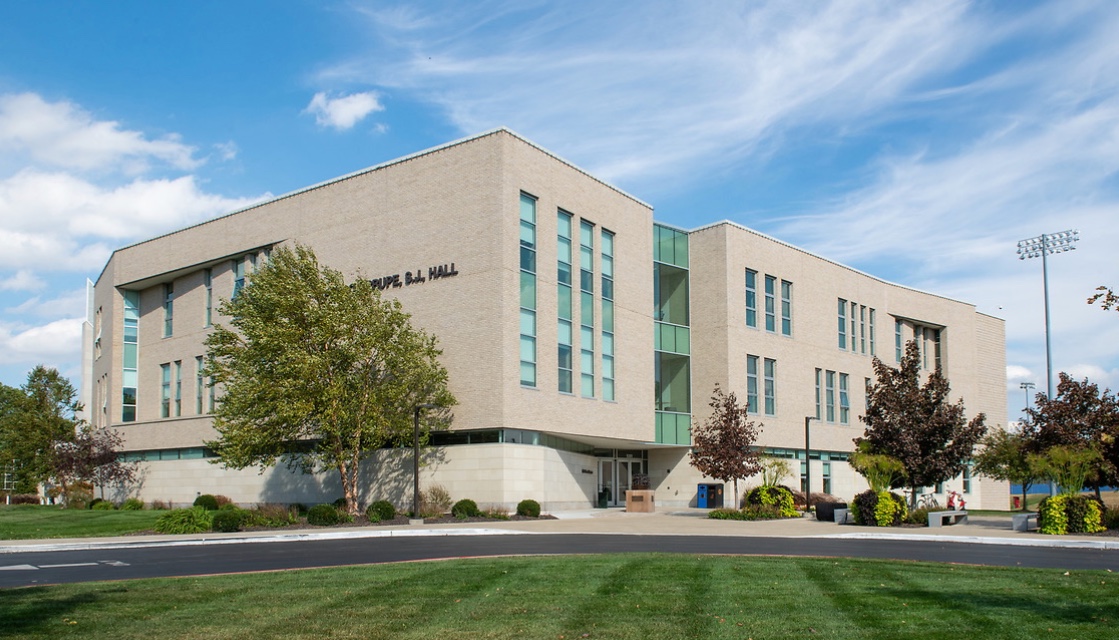
On March 2, members of Rockhurst University opened their inboxes to an announcement regarding tuition and fee increases for the 2026-27 academic year.
The university approved a 3% increase in tuition, housing and meal plan rates. According to the email, undergraduate tuition for full-time students will increase, while part-time students will pay $766 per credit hour, an increase of $22.
Housing costs will also rise by 3%, up from a 2.5% increase last year, while food costs will increase by 3.5%. Graduate tuition increases will vary by program, ranging from 0% to 3%.
The RU Ready book bundle will increase to $385 per semester for full-time students and $25 per credit hour for part-time students, up from $370 per semester and $24 per credit hour.
“As an English and Education major, I think the RU Ready book bundle is worth it as I use all my books. I think it depends on how much your major actually uses the textbooks they ask you to get though,” Katie Stuckel said.
The student activities fee will remain unchanged. However, the university fee will increase to $40 per semester to support initiatives related to the Magis Activity Center, athletics facilities and expanding university athletics programs.
Similar increases have been reported at other institutions in the region. In recent years, many public universities have raised tuition between 2% and 4%, while private universities have averaged increases closer to 4%, according to higher education data.
Among nearby schools, the University of Kansas approved a 3% increase, while William Jewell College announced a 9.8% increase. The University of Missouri and the University of Missouri-Kansas City are expected to implement increases between 3% and 5%.
For students, even modest annual increases can add up over time. A 3% increase each year may result in thousands of additional dollars in total costs, particularly when combined with rising housing and food expenses.
As universities continue to balance rising operational costs with affordability concerns, tuition increases remain a consistent trend across higher education.


